Optimize your brand presence in Perplexity, where real-time web intelligence and cited sources power millions of research-driven searches and high-intent purchase decisions.

Optimize your brand presence in Perplexity, where real-time web intelligence and cited sources power millions of research-driven searches and high-intent purchase decisions.

![[Models] Perplexity3x](https://higoodie.com/wp-content/uploads/2026/03/Models-Perplexity3x-768x490.webp)
Perplexity attracts users conducting serious research before making decisions. These are professionals, analysts, and informed consumers who value accuracy and are further along in the buying journey.
Unlike conversational AI, Perplexity displays direct source citations with every answer. Being cited here means your content is visible, clickable, and recognized as authoritative by the platform and its users.
Perplexity Shopping combines research depth with commerce, allowing users to compare products, evaluate options, and make purchase decisions within a single research session.
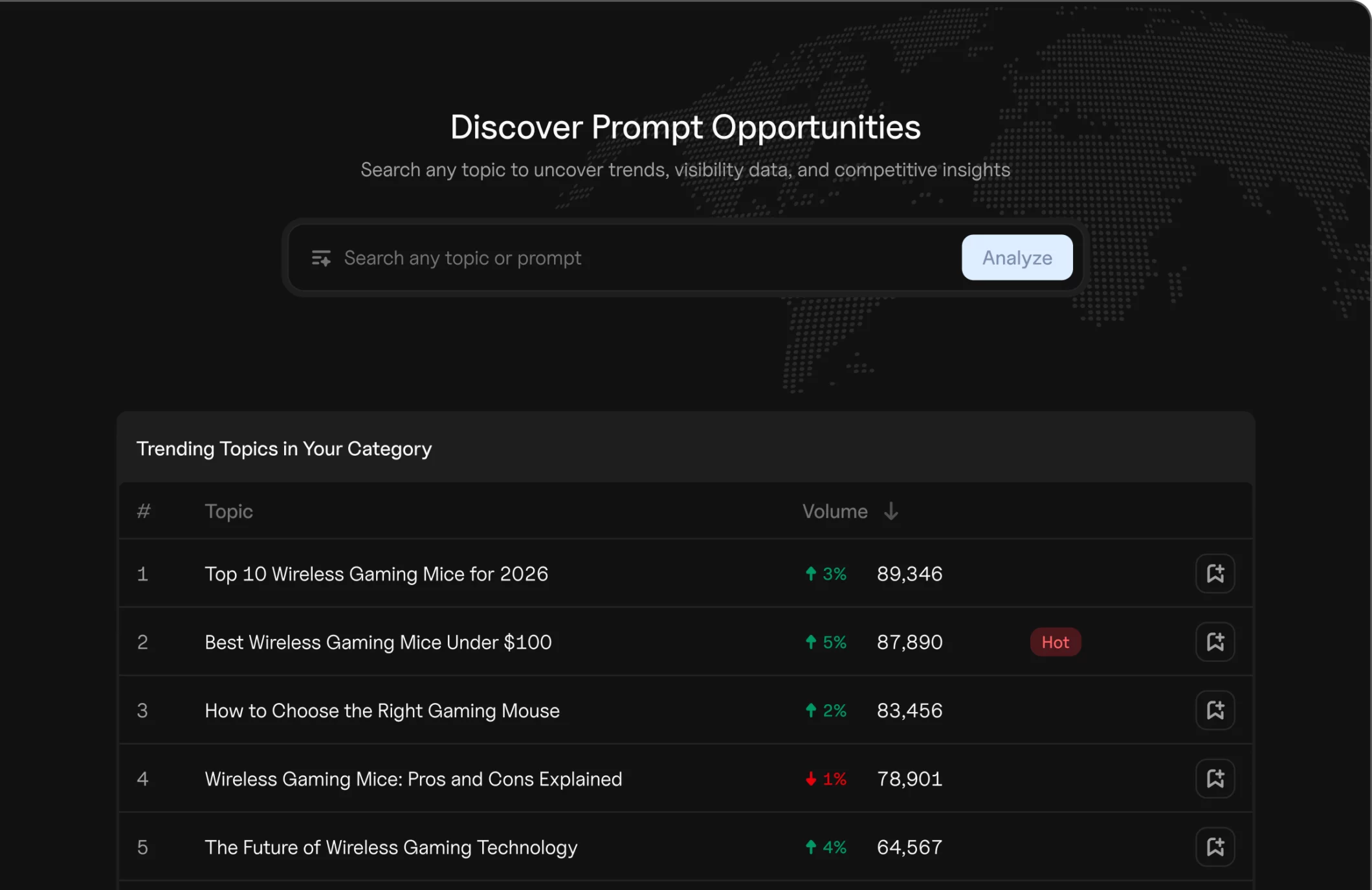
Discover the exact prompts Perplexity users ask in your category and prioritize high-intent opportunities.
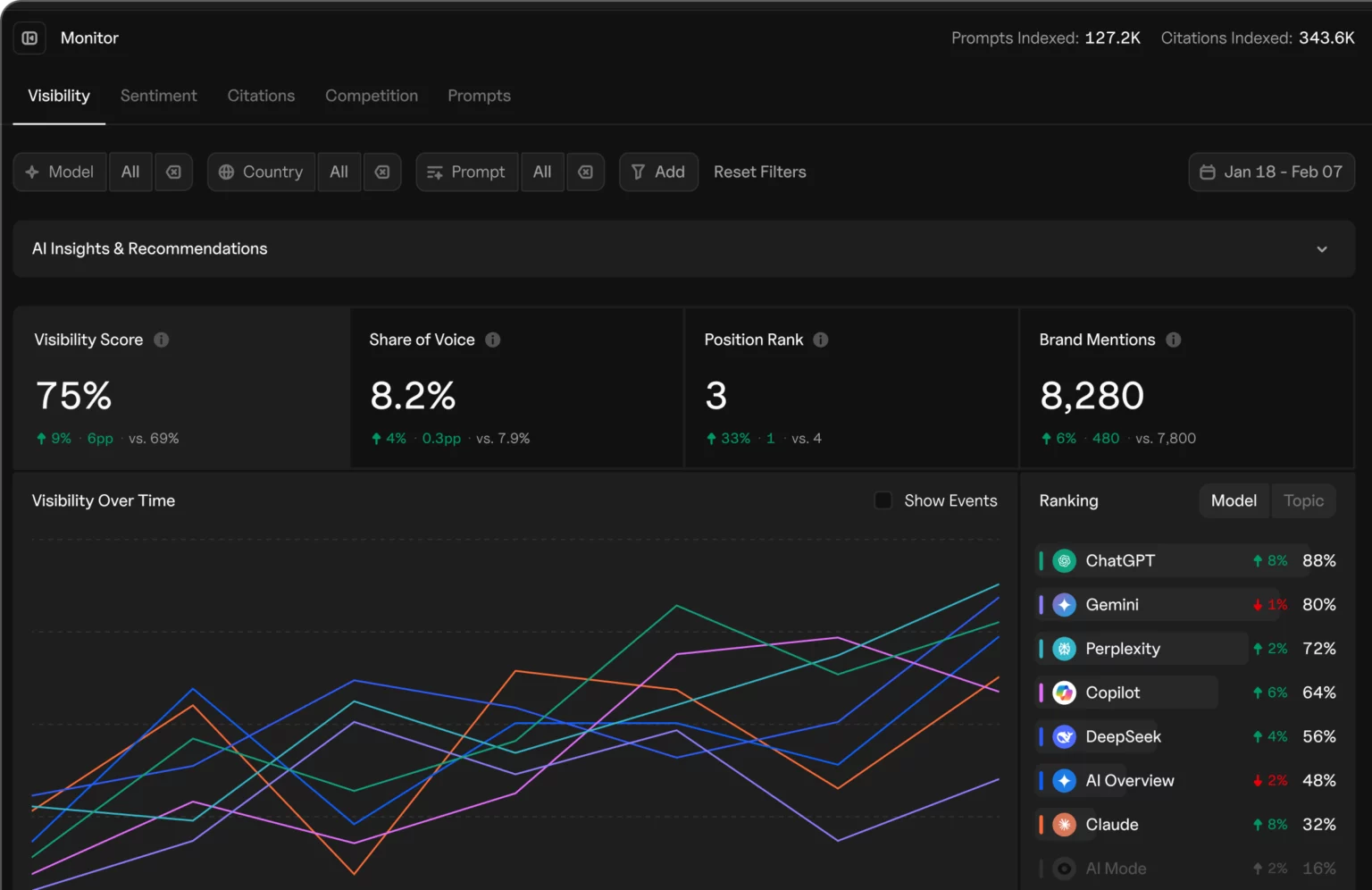
Track Perplexity mentions, citations, sentiment, and competitive positioning.
Get Perplexity-specific recommendations prioritized by impact on visibility and mentions.
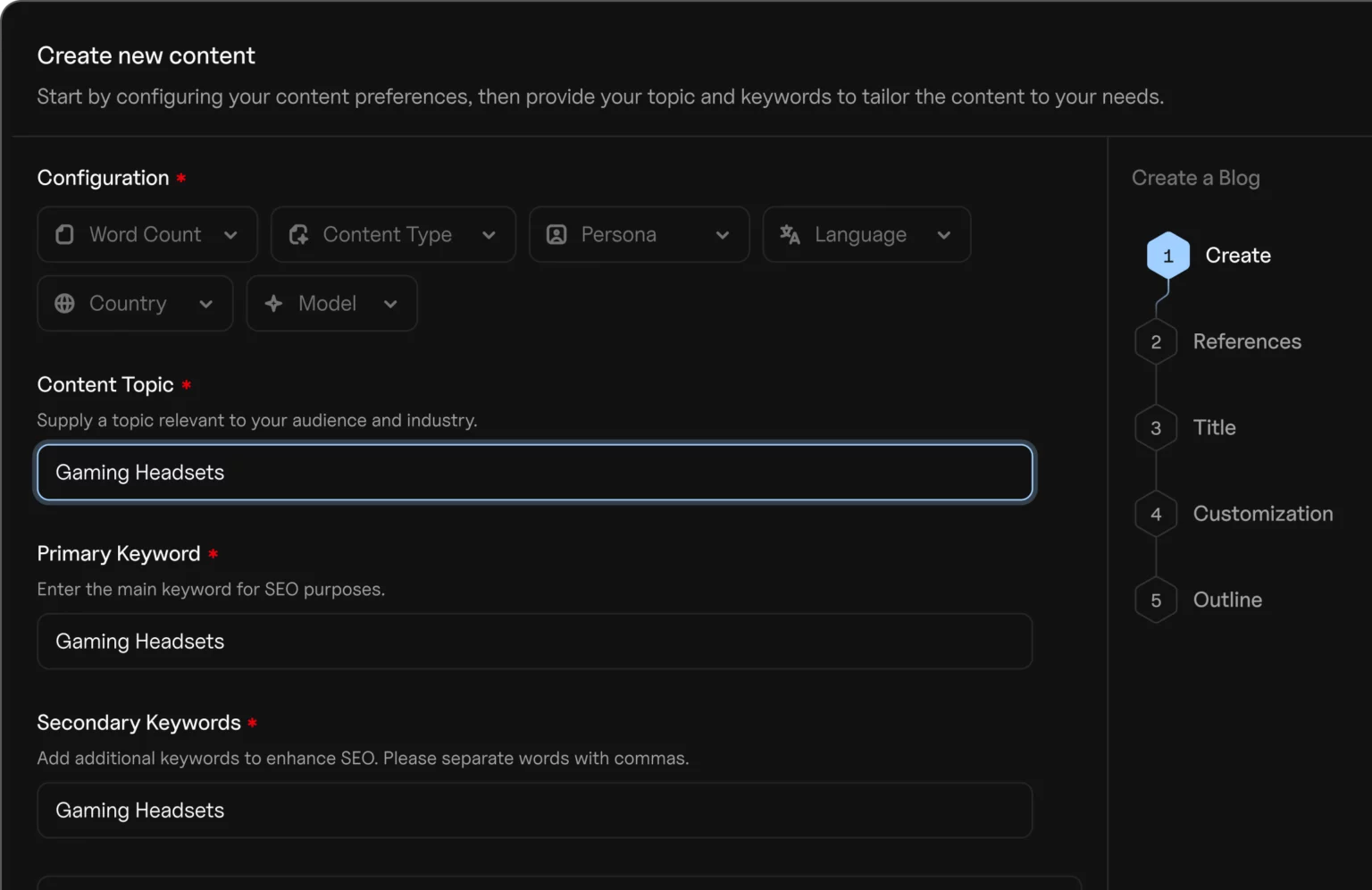
Generate content optimized for Perplexity’s evaluation criteria while maintaining your brand voice.
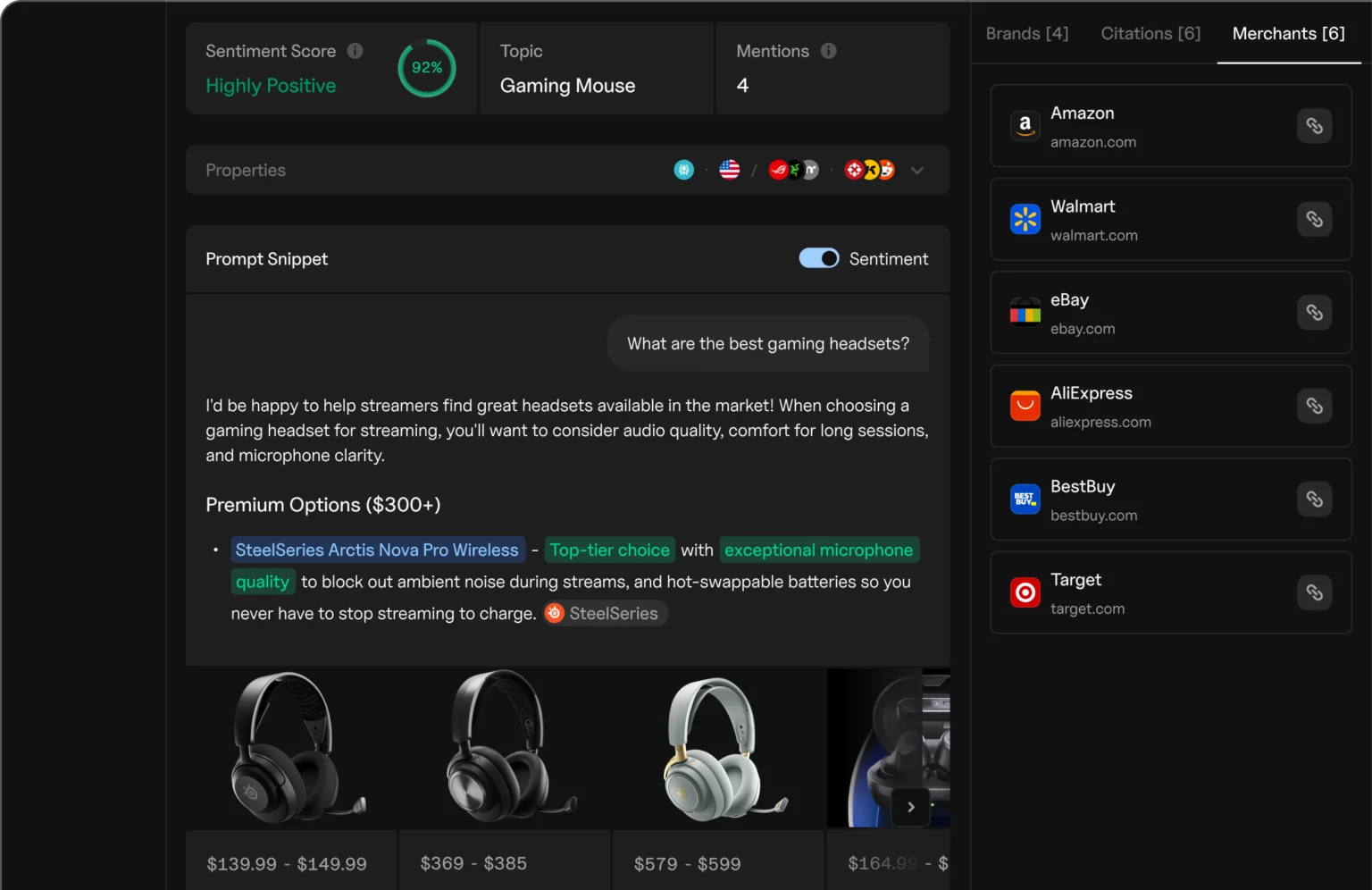
Optimize product visibility in Perplexity Shopping, track product mention rates, and improve recommendation positioning.
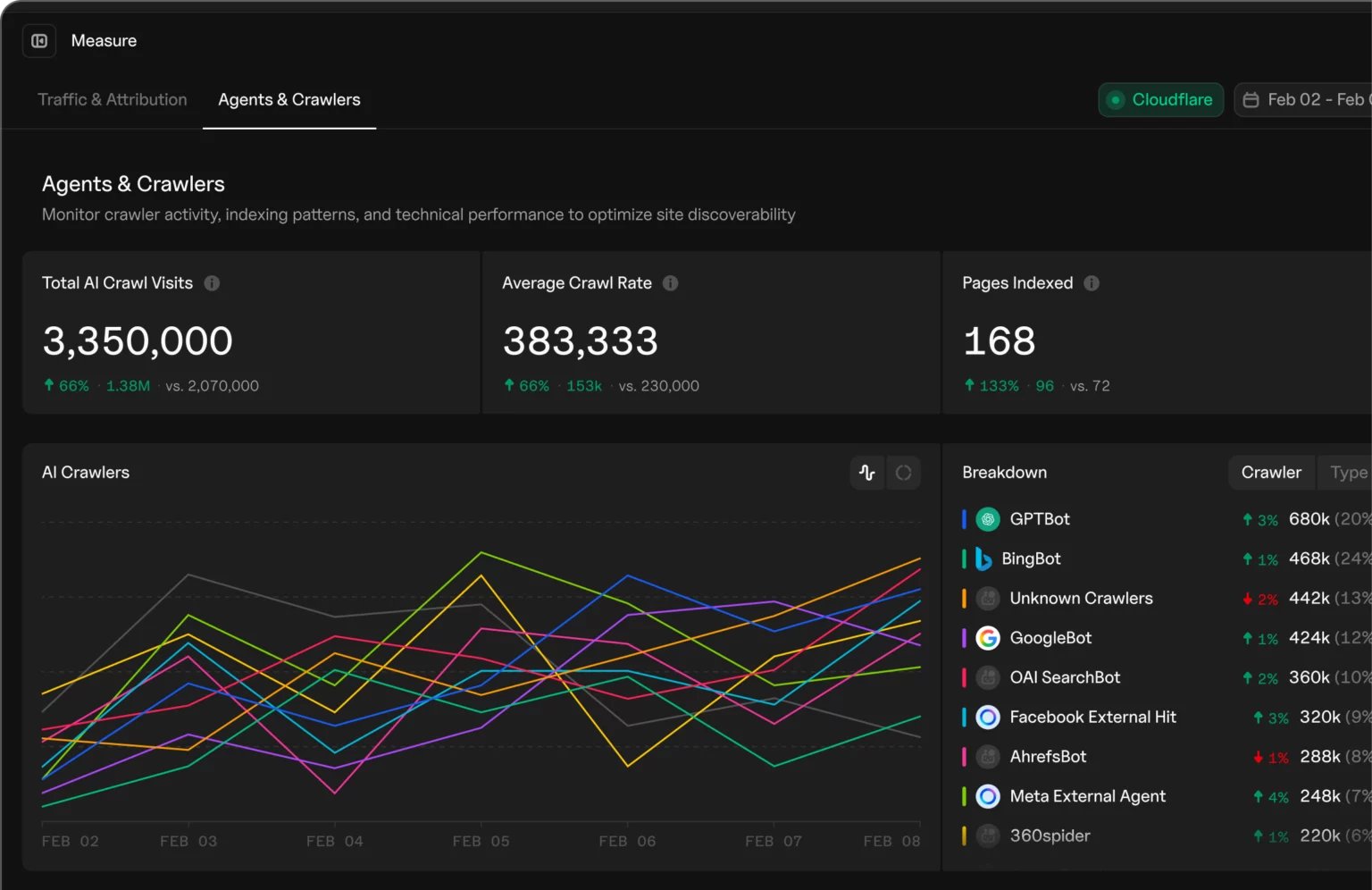
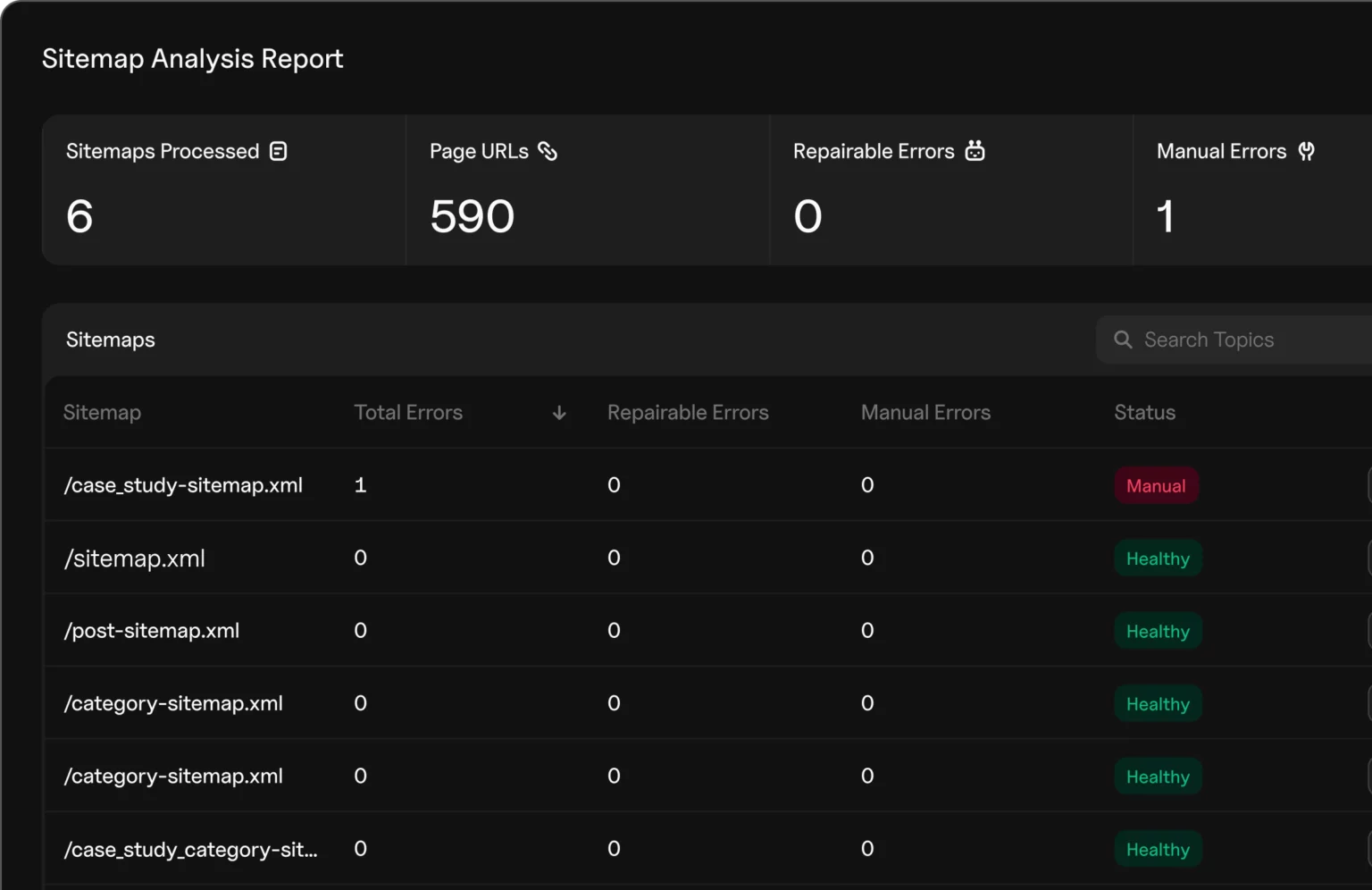
Monitor Perplexity’s crawler activity and close technical gaps preventing content indexing.
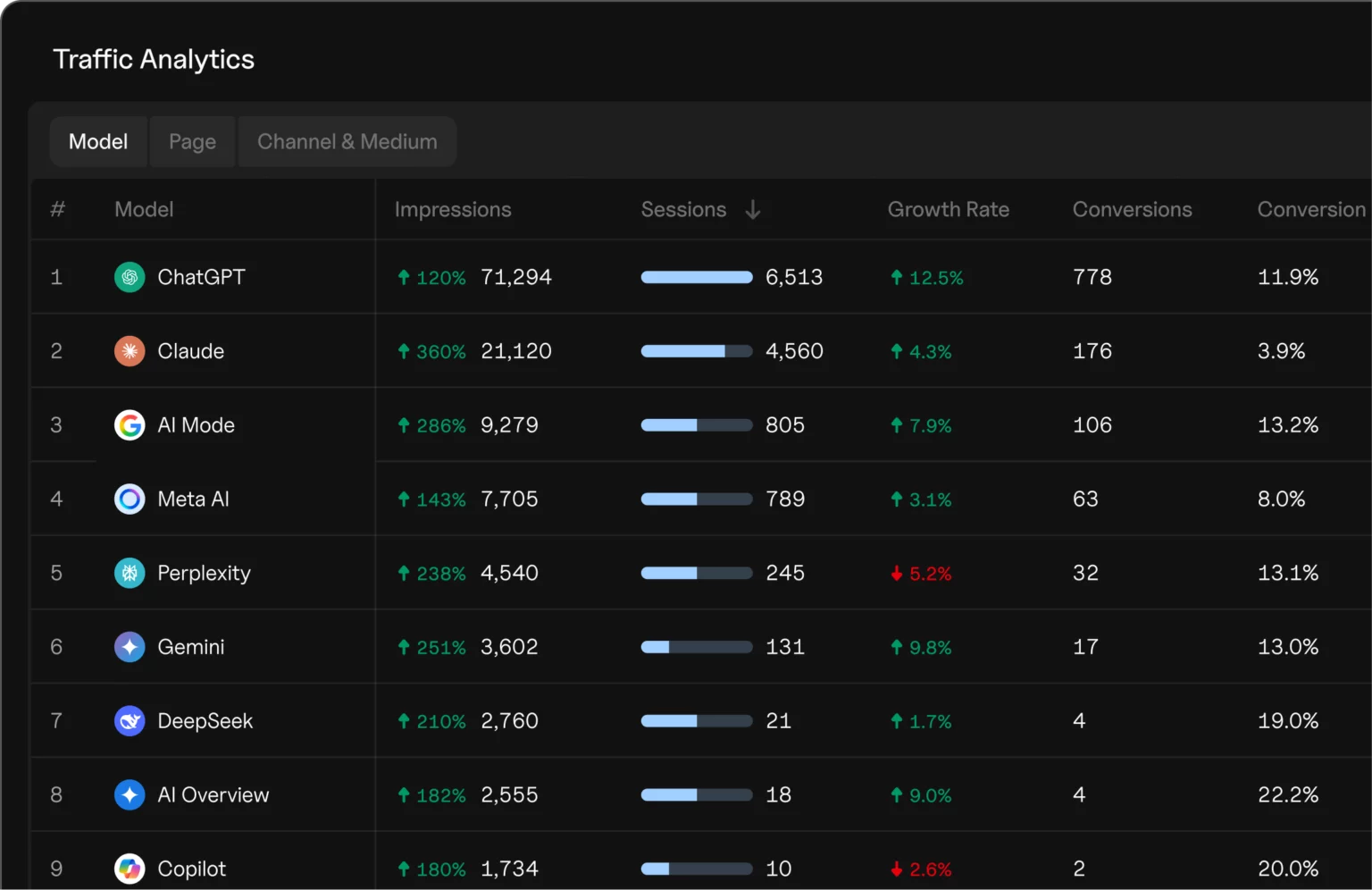
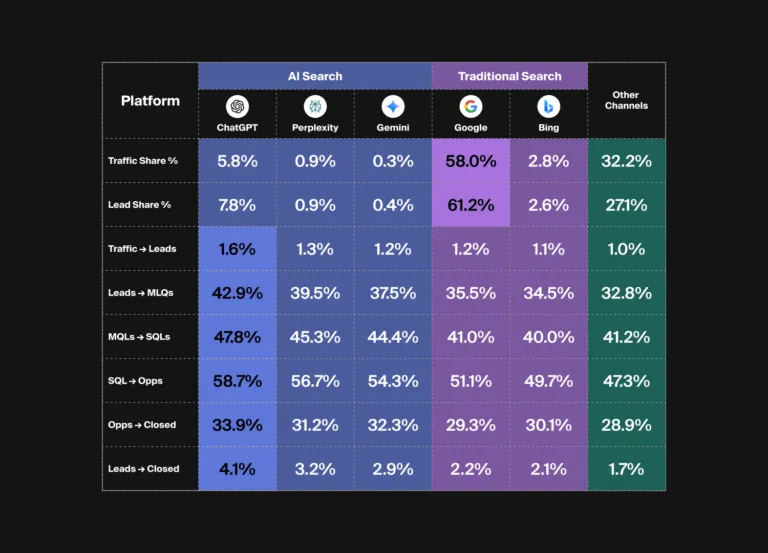
Measure Perplexity-driven traffic and conversions to prove optimization drives revenue.
model

Perplexity AI models with real-time web access, including Pro Search and standard search modes, with automatic updates for new features.
Daily data collection with real-time monitoring for high-priority topics and competitive shifts.
Multi-dimensional prompt testing across industries, use cases, personas, and query types, including research-focused and shopping scenarios.
Full English support with expanding coverage for Spanish, French, German, and major global languages.
Goodie runs systematic prompt analysis across Perplexity, testing thousands of relevant queries daily to capture when and how your brand appears in answers and citations. We track direct citations, contextual mentions, competitive comparisons, shopping recommendations, and source placement.
Yes. Visibility Monitoring shows the specific prompts where Perplexity cites your brand, along with citation frequency, competitive context, and source positioning within answers.
Perplexity emphasizes recency, source credibility, and citation-worthy content structure. Because it displays direct source links, optimization focuses on earning authoritative citations rather than just mentions. Our recommendations are tailored to Perplexity’s citation and source evaluation criteria.
Yes. Our tracking covers both standard Perplexity and Perplexity Pro search modes, capturing how your brand appears across different user tiers and search depth levels.
Perplexity reflects content and authority improvements within 1-3 weeks due to its real-time web access. Technical optimizations (crawlability, structure) often show immediate impact, while earned media and authority-building strategies build momentum over time.